
How Do Mountains Form?
The Big Idea
Witness the slow-motion collision of continents and discover how the Earth's crust crumples like a massive car crash to build the world's highest peaks. Learn why you can find ocean seashells at the very top of Mount Everest.
Key Vocabulary & Concepts
Hands-On Observation Checklist
Teacher & Parent Discussion Starters
- Why is understanding how do mountains form? important in everyday real life?
- What variable or factor had the biggest impact when testing the simulation?
- How does this concept connect to another science topic you have learned about?
How Do Mountains Form?
The Wrinkles of Earth
Look at a globe. It isn't a smooth marble. It is rough, bumpy, and scarred. Massive mountain ranges—the Rockies, the Andes, the Alps, the Himalayas—stretch across the continents like giant spines.
But the Earth wasn't born with these wrinkles. They grew. And in geologic time, they are growing violently fast.
The Slow-Motion Car Crash
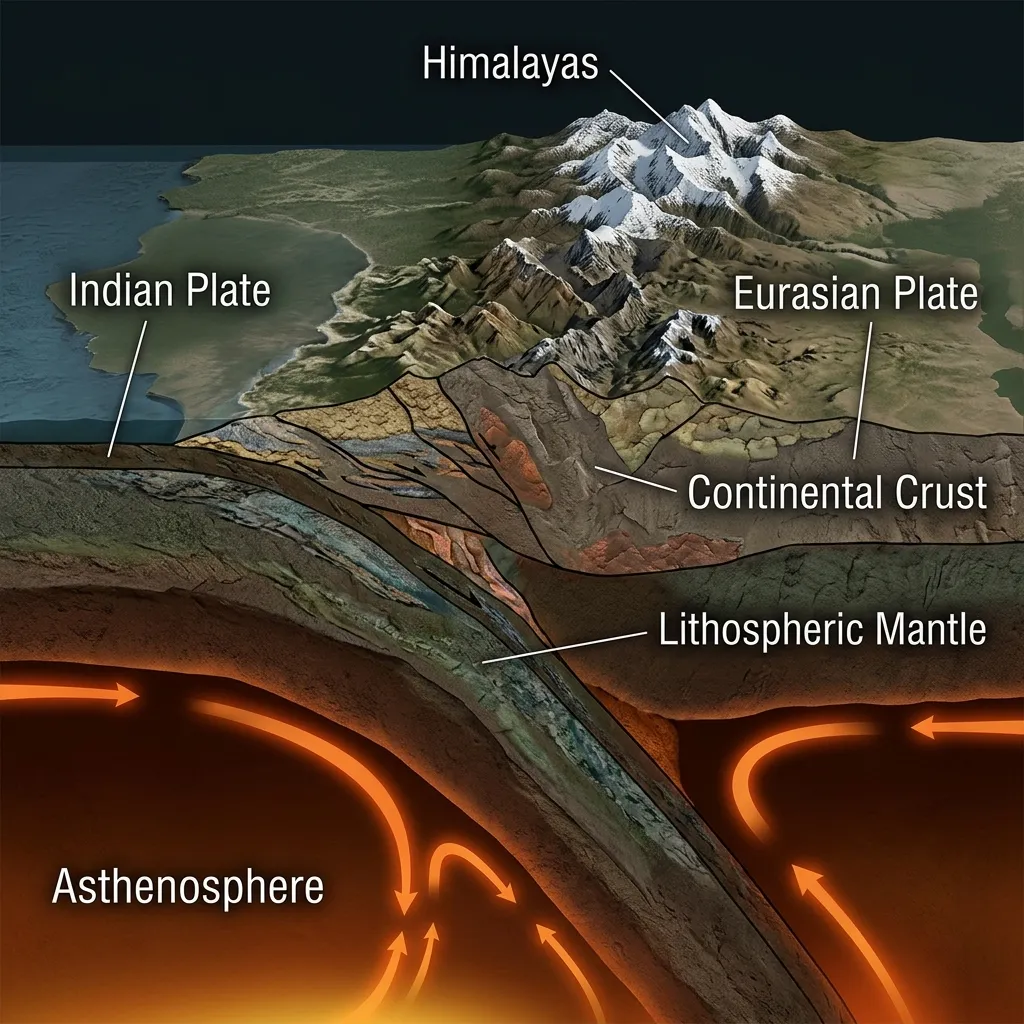
Most mountains are formed by a car crash. Remember the Tectonic Plates? The giant puzzle pieces of Earth's crust? Sometimes, two of these plates slam into each other head-on. Imagine two cars crashing in slow motion. As the bumpers hit, the metal crumples. It folds upwards. The hood bends into a jagged peak.
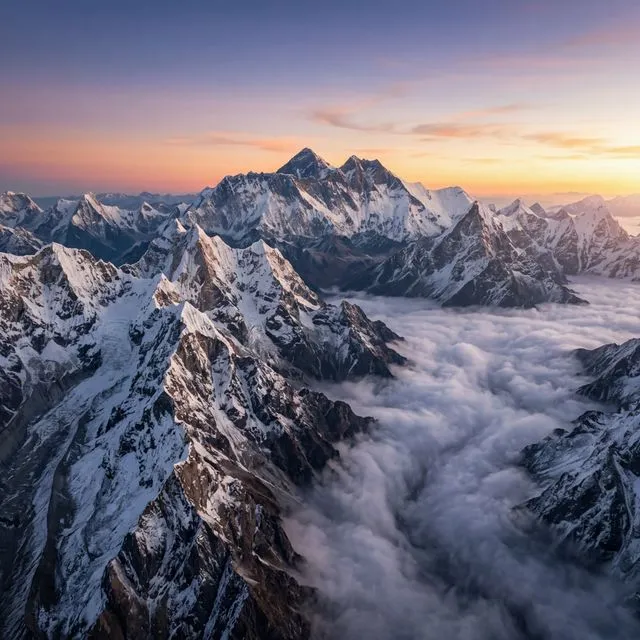
This is exactly what happens with rock, but it takes millions of years. When the Indian Plate crashed into the Asian Plate 50 million years ago, the land had nowhere to go but Up. The rock crumbled and folded, rising higher and higher to create the Himalayas. This type of mountain is called a Fold Mountain.
And the crash isn't over. India is still pushing North. Mount Everest is actually getting taller by about 4 millimeters every year!
The Ocean in the Sky
Here is the ultimate proof that mountains rise from the ground: Fossils. If you climb to the very top of Mount Everest (the highest point on Earth, 29,000 feet up), you will find something strange in the limestone rock. You won't find bird bones. You will find Seashells. Trilobites. Crinoids. Animals that lived on the bottom of the deep ocean.
How did they get there? 400 million years ago, the limestone at the top of Everest was the ocean floor. The tectonic collision pushed that sea floor up into the sky. It is a reminder that the map of the world is temporary. The deepest valleys can become the highest peaks.
Other Ways to Build a Peak
Not all mountains are car crashes. Some are blisters.
1. Volcanic Mountains: Sometimes, a mountain is just a pile of leaked rock. As magma erupts, cools, and turns to stone, it builds a cone. Mount Fuji in Japan and Mount Kilimanjaro in Africa are just giant piles of hardened lava.
2. Dome Mountains: Sometimes, magma pushes up under the ground but doesn't break through. It pushes the overlaying rock up into a giant round blister. Over time, wind and rain weather away the softer top rock, leaving the hard granite core standing as a round mountain. (Like Half Dome in Yosemite).
Eating the Giants
While the Earth builds mountains up, the sky tears them down. From the moment a mountain rises, wind, rain, and ice attack it. Water freezes in cracks, expanding and shattering the rock. Glaciers act like sandpaper, grinding valleys into U-shapes. Rivers carve canyons.
The Appalachian Mountains in the USA used to be as tall as the Himalayas. But they are old. Millions of years of rain have worn them down into the gentle, rolling hills we see today. It is an eternal war between the Tectonic Plates (The Builders) and the Weather (The Destroyers).