
How Do We Taste Food?
The Big Idea
Discover the powerful chemical sensors living on your tongue. Learn how thousands of tiny taste buds work with your sense of smell to decode the flavors of your favorite foods and protect you from danger.
Key Vocabulary & Concepts
Hands-On Observation Checklist
Teacher & Parent Discussion Starters
- Why is understanding how do we taste food? important in everyday real life?
- What variable or factor had the biggest impact when testing the simulation?
- How does this concept connect to another science topic you have learned about?
How Do We Taste Food?
Discover the powerful chemical sensors living on your tongue. Learn how thousands of tiny taste buds work with your sense of smell to decode the flavors of your favorite foods and protect you from danger.
How Do We Taste Food?
The Chemical Laboratory
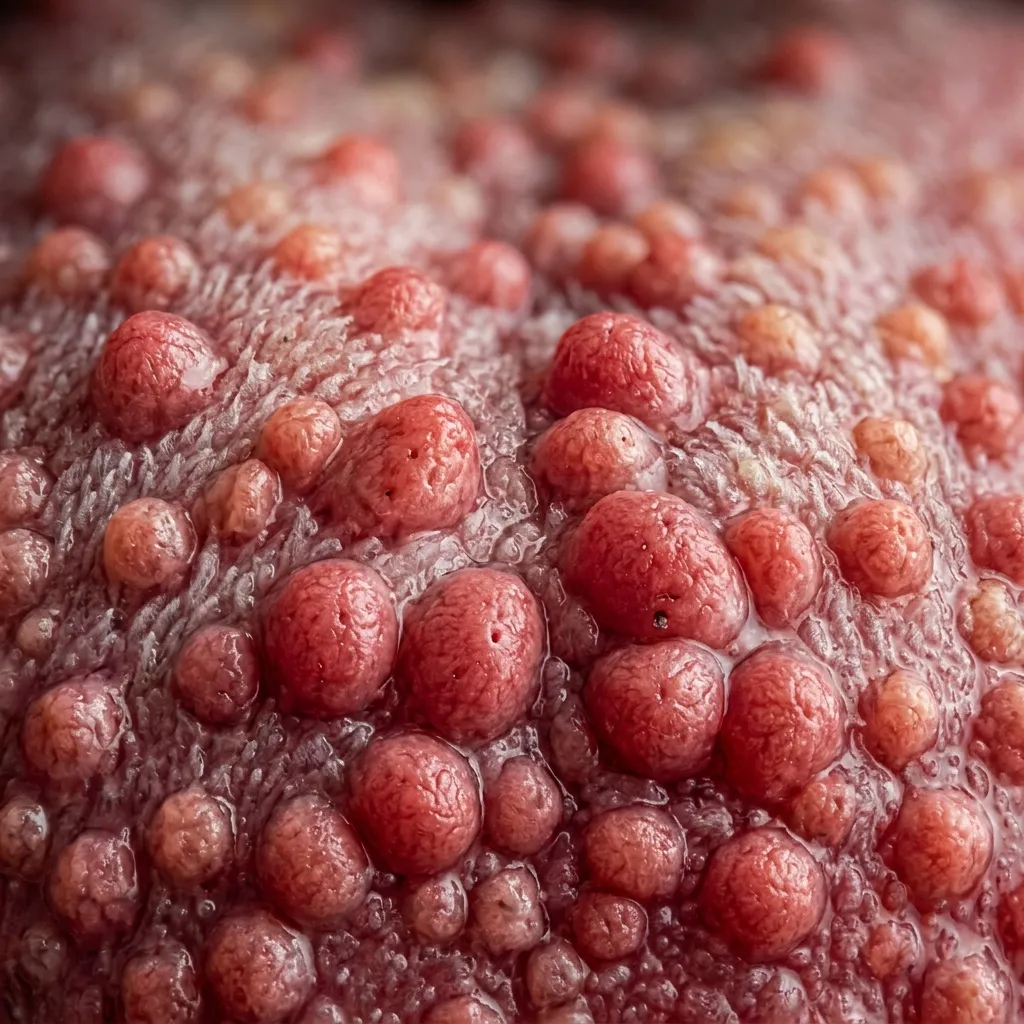
If you look extremely closely at your tongue in a bathroom mirror, you will see thousands of tiny, rough pink bumps. A common myth suggests that these visible bumps are your taste buds. In reality, these external structures are completely structural friction grips officially called papillae. They help you grip slippery food.
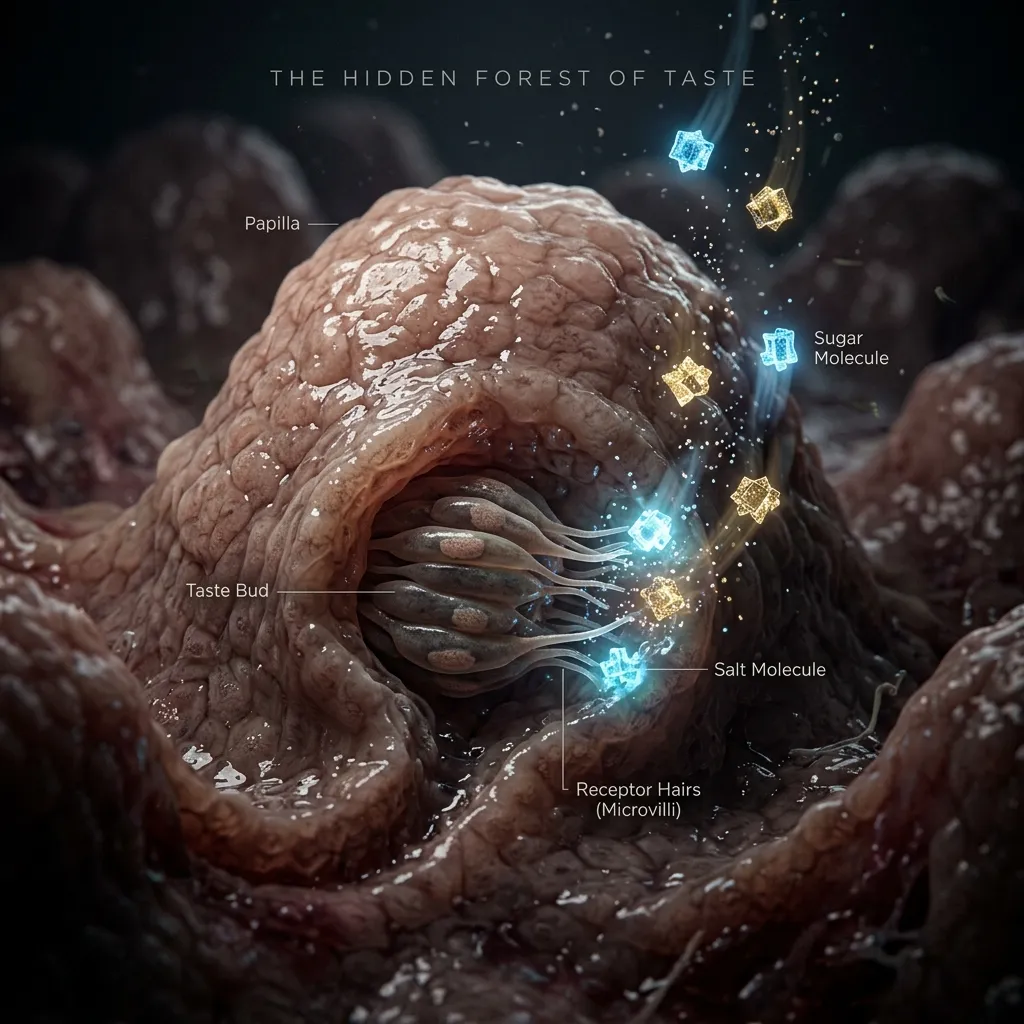
The actual biological taste buds are microscopically tiny chemical sensors safely hidden deep down inside the dark valleys between these heavy papillae. Every human securely possesses roughly 10,000 microscopic taste buds. When you violently chew a piece of hot pizza, your digestive saliva physically dissolves the thick food into a liquid chemical soup. This liquid soup violently washes down into the deep papillae valleys, physically brushing heavily against your hidden taste buds.
The Five Flavors
These incredible chemical sensors are fundamentally deeply programmed by ancient evolution to cleanly actively detect exactly five strict primary categories of taste: Sweet (indicating dense high-calorie energy), Salty (necessary heavy cell minerals), Sour (indicating potentially spoiled food), Bitter (warning of dangerous natural poisons), and Umami (indicating rich structural protein).
However, your tongue is only responsible for a tiny fraction of your culinary experience. Nearly 80% of what you perceive as rich, complex flavor is actually strictly generated entirely by your nose. As you actively chew, invisible aromatic food gases aggressively rise upward through the back of your warm throat and directly into your delicate nasal cavity. Your brain powerfully combines the five basic tongue signals with thousands of unique scent signals to create the perception of a strawberry or a slice of dense chocolate cake!