
Why Do Camels Have Humps?
The Big Idea
Separate fact from fiction in the desert. Discover why camels actually store fat, not water, in their famous humps, and how this unique biological adaptation helps them survive the extreme heat of the dunes.
Key Vocabulary & Concepts
Hands-On Observation Checklist
Teacher & Parent Discussion Starters
- Why is understanding why do camels have humps? important in everyday real life?
- What variable or factor had the biggest impact when testing the simulation?
- How does this concept connect to another science topic you have learned about?
Why Do Camels Have Humps?
The Myth of the Water Tank
For hundreds of years, it was a common folklore belief that camels wandering the massive, scorching Sahara desert used their prominent humps strictly to store thousands of gallons of cool drinking water. However, modern biology tells an entirely different story. A camel’s hump does not hold a single drop of liquid water.
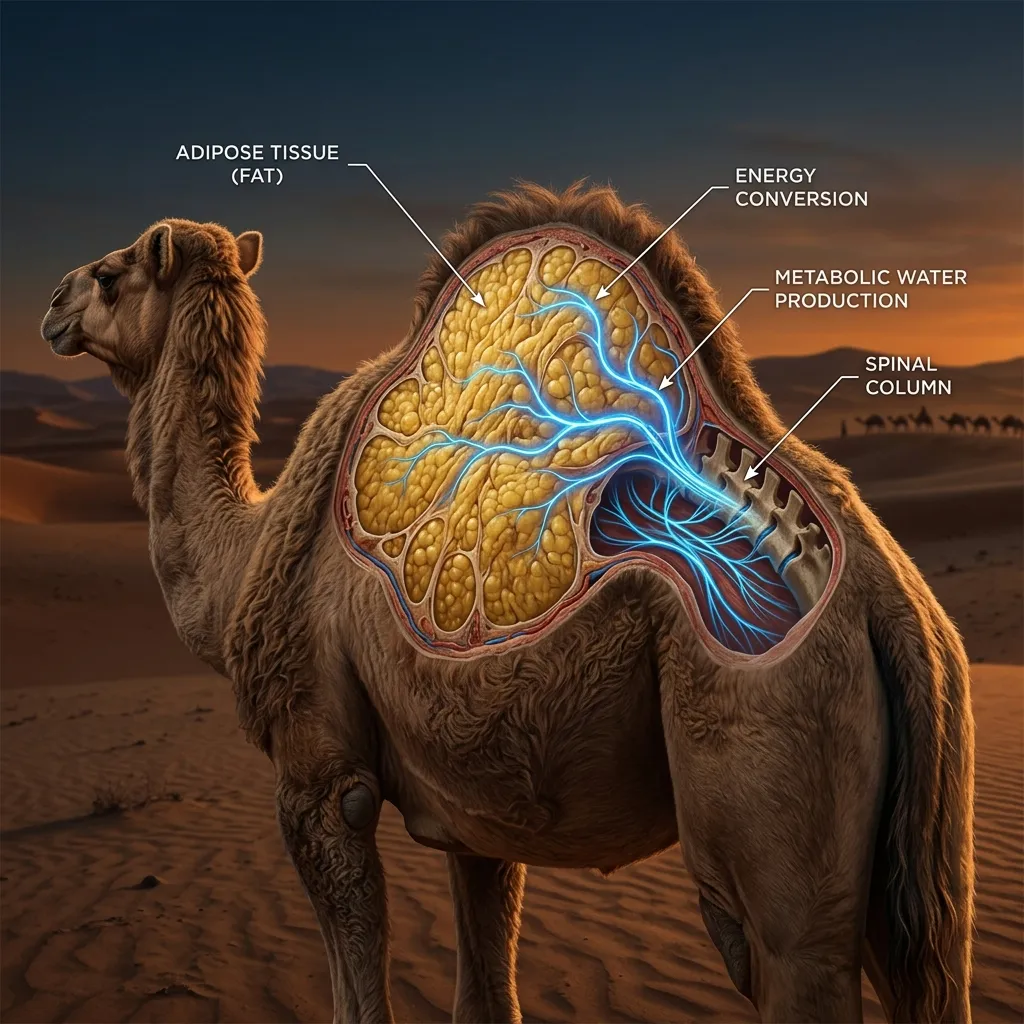
Instead, the hump is a gigantic, specialized storage container made entirely of dense animal fat. Because massive desert stretches often lack any edible vegetation for hundreds of miles, a camel stores all of its spare food energy as a solid lump of fat directly on its back.
As the camel slowly starves during a long, dry, brutal journey across barren dunes, it converts this stored fat directly into energy and a tiny bit of metabolic hydration. When a camel has exhausted all of its fat reserves, the giant hump will physically deflate, sag heavily, and flop directly over to one side.
Staying Cool
Most mammals, including humans and seals, naturally store their body fat in an even layer spread across their entire bodies for necessary winter insulation. For a desert animal, wearing a full-body blanket of heavy fat would result in lethal overheating.
By isolating all of its heavy fat straight up onto its back, the camel effectively shields itself from the blazing overhead sun, while keeping the rest of its thin body completely uninsulated, allowing the hot desert wind to safely cool its internal organs.