
Why Does The Moon Change Shape?
The Big Idea
Unlock the cosmic geometry of the lunar cycle. Discover how the changing positions of the Sun, Earth, and Moon create the phases we see from our backyard, from the sliver of a crescent to the full moon.
Key Vocabulary & Concepts
Hands-On Observation Checklist
Teacher & Parent Discussion Starters
- Why is understanding why does the moon change shape? important in everyday real life?
- What variable or factor had the biggest impact when testing the simulation?
- How does this concept connect to another science topic you have learned about?
Why Does The Moon Change Shape?
A Trick of the Pure Light
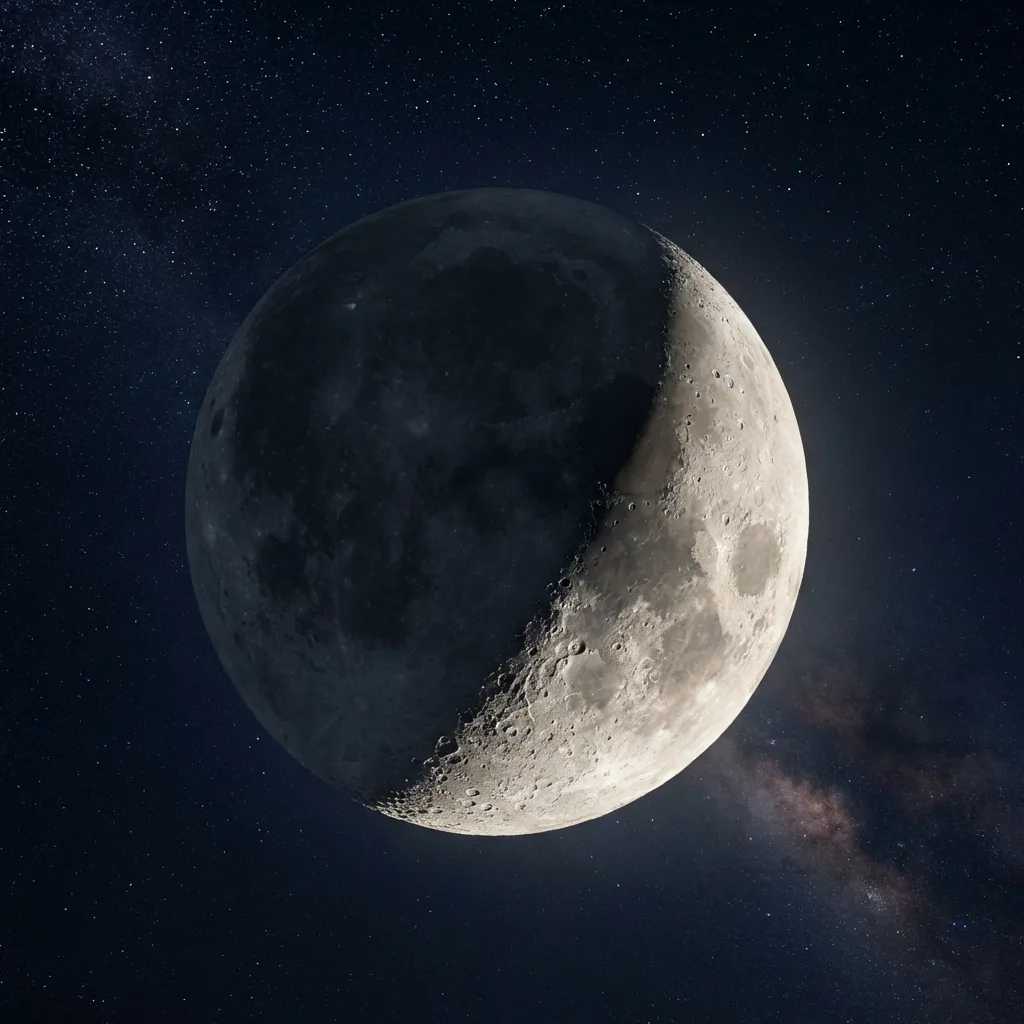
Have you ever looked out the window on a Tuesday and saw a perfect, massive, glowing full moon, only to look out two weeks later and see just a tiny, sharp silver crescent? It looks like giant pieces of the moon are being carved away and rebuilt, but the moon never actually changes its physical shape. It is always a colossal, solid ball of rock floating in space.
The entire thing is just a brilliant trick of light, shadows, and positioning!
The Ultimate Orbit
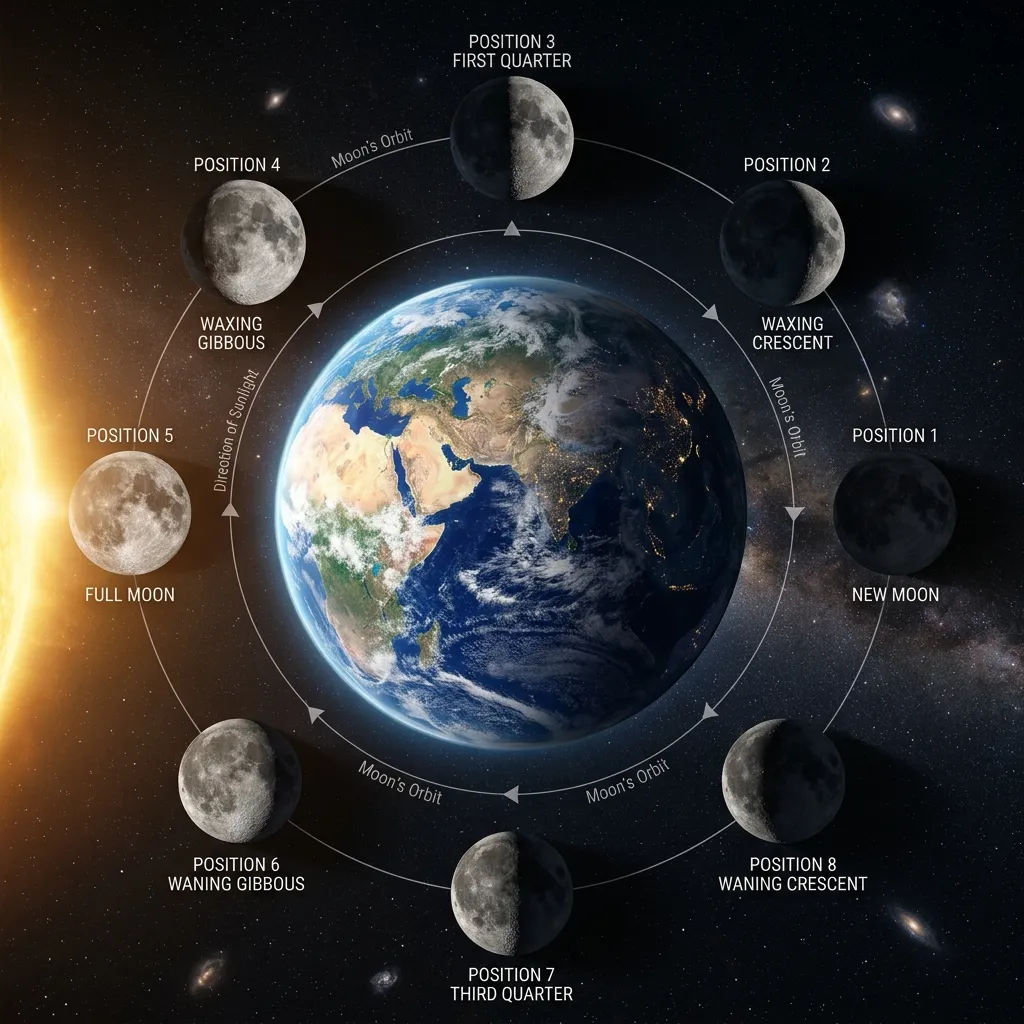
To understand the moon’s trick, you have to remember two massive facts. First, the moon generates absolutely zero light of its own. It acts perfectly like a giant dirty mirror, just intensely reflecting the bright light of the Sun. Second, the moon is constantly moving, completing one massive orbit completely around the Earth every 29.5 days.
Because the Sun is always blasting light from exactly one direction, exactly one half of the Moon is always completely illuminated, while the back half is trapped in pitch-black shadow. As the Moon travels on its massive circle around us, our viewing angle constantly changes.
When the Moon is positioned precisely between the Earth and the Sun, we are staring directly at the dark, unlit back of it. We call this a "New Moon" and the sky looks empty. When it moves exactly to the opposite side of Earth, we get a direct, full view of the completely lit side, resulting in a beautiful "Full Moon." Everything in between—the crescents and half-moons—is strictly just us watching the shadow slowly shift across its rocky face as it continues its endless lap!